admin

JAKARTA – Indonesia’s traditional textiles, known as wastra, have significant potential to drive the growth of the country’s textile and fashion industries. Beyond preserving cultural heritage, the development of wastra can create higher-value products and strengthen Indonesia’s position in both domestic and international markets.
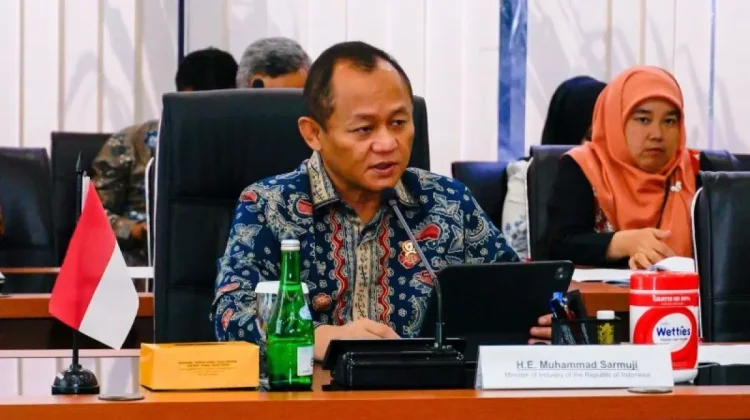
Minister of Industry Muhammad Sarmuji emphasized that developing wastra must go hand in hand with efforts to strengthen the national textile and apparel industry. The cultural identity embedded in traditional fabrics should be preserved as a distinctive feature and a competitive advantage for Indonesian fashion products.
Sarmuji made the remarks in Jakarta on Wednesday, October 14, 2026. He stressed that preserving wastra should go beyond cultural activities and extend to industrial development that responds to changing fashion trends and consumer demands.
According to data from the Ministry of Industry, Indonesia’s textile and apparel industry grew by 6.36 percent in the second quarter of 2026 compared with the same period last year. Meanwhile, exports of textile and apparel products reached USD 7.18 billion between January and July 2026.
These figures highlight the promising growth opportunities in Indonesia’s textile and fashion sectors. Wastra can play an important role in differentiating Indonesian products through their distinctive motifs, production techniques, materials, and cultural values.
Indonesia also has an extensive network of traditional textile production centers. The Ministry of Industry recorded 465 weaving centers and 200 batik centers, which form an important part of the country’s traditional textile ecosystem.
These production centers offer opportunities to strengthen the involvement of artisans, small and medium-sized manufacturers, designers, and fashion businesses throughout the national industry value chain. However, realizing this potential requires continuous innovation in design, product diversification, and quality improvement to ensure that wastra remains relevant to evolving market preferences.
Sarmuji noted that the diversity of techniques, motifs, materials, and cultural values embedded in wastra provides a strong foundation for developing distinctive fashion products. These efforts should focus not only on aesthetic appeal but also on commercial value and the ability to meet consumer needs in competitive markets.
Despite its considerable potential, the wastra industry continues to face several challenges. Ensuring the regeneration of artisans is essential to preserving traditional skills for future generations. Competition from batik-patterned textile products and international manufacturers with more efficient cost structures also places pressure on local producers to improve their competitiveness.
Strengthening the industry therefore requires a comprehensive approach, encompassing design innovation, product diversification, brand development, higher product value, and more effective marketing strategies. These measures are expected to help wastra reach broader consumer markets while retaining the cultural identity that makes it unique.
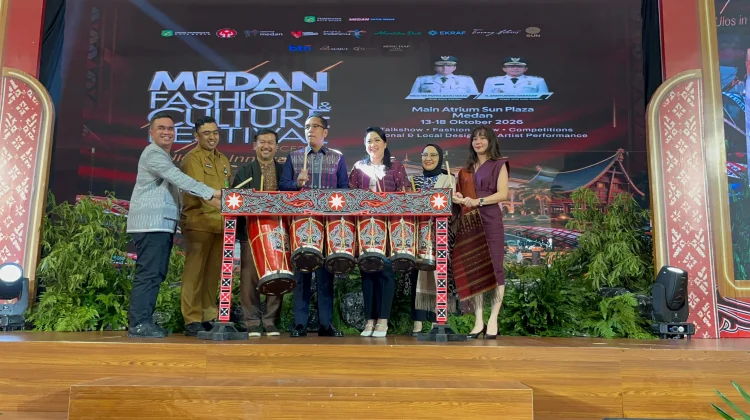
Meanwhile, Director General of Small, Medium and Miscellaneous Industries at the Ministry of Industry, Reni Yanita, explained that Journey of Wastra is a strategic initiative designed to strengthen the fashion and crafts ecosystem through cross-sector collaboration.
The event provides a platform for wastra industry players, designers, academics, and the public to exchange knowledge, foster creativity, expand business networks, and explore new market opportunities.
Through these collaborative efforts, wastra development is expected to move beyond cultural preservation and contribute to innovation, business partnerships, and greater economic opportunities for artisans and industry participants.
Looking ahead, cooperation among the government, businesses, creative communities, academics, and artisans will be essential to building a sustainable wastra industry. By combining traditional heritage with modern innovation, Indonesian wastra has the potential to emerge as a distinctive national product with stronger economic value and greater competitiveness in global markets.